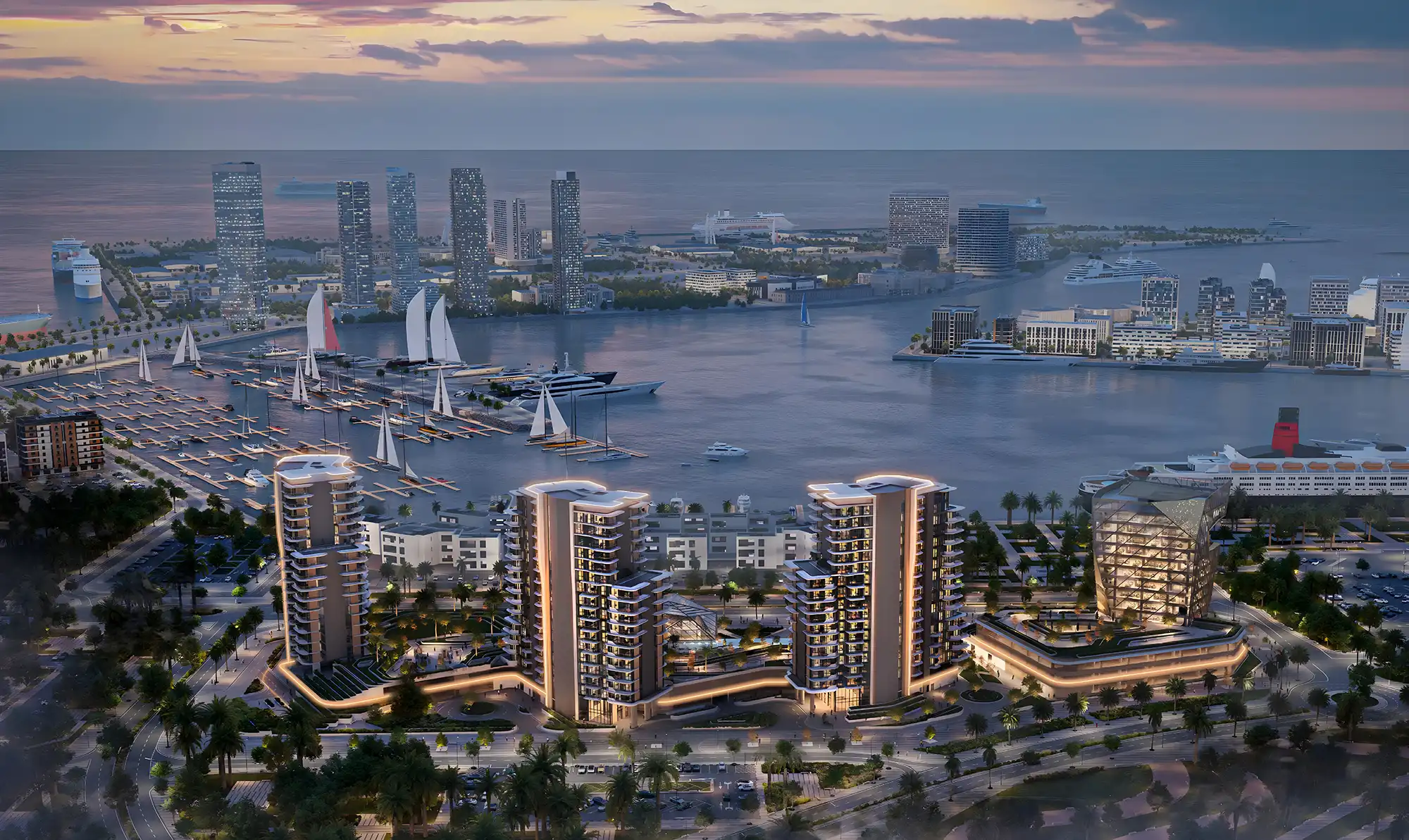
Dubai’s property market in 2026 transitions from rapid growth to sustainable stability, with modest price corrections possible in select segments amid record supply deliveries of around 120,000 units. Rental growth moderates to 4–6% as population expansion sustains demand, while off-plan investments remain attractive for yields of 6–10%. The market rewards quality, connectivity and proven developers in prime areas.
Macro drivers and supply surge
Population growth past 4 million and HNWI inflows (over 80,000 millionaires) underpin demand, supported by Golden Visas, zero taxes and Dubai’s global hub status. Moody’s forecasts 150,000 new UAE homes by 2027 (120,000 in Dubai 2026), potentially causing modest price dips while easing rents in oversupplied areas. Stable macro resilience and infrastructure like Dubai 2040 plan bolster long-term confidence.
Price outlook: selective growth
Prices face moderation or slight corrections starting 2026 due to supply, but prime and undersupplied segments hold firm with 4–10% gains. Off-plan offers 12–18% appreciation potential pre-handover, with flexible plans like 60/40 payments aiding entry. Overall, no crash expected; logic-based buying prevails.
Forecasts by segment
Rental market: moderated but solid
Rents rise 4–6% overall, slower than recent double-digits, with prime areas like Downtown and Palm Jumeirah at the higher end due to limited stock. Yields of 6–10% attract investors, especially in family hubs like Arabian Ranches and Dubai Hills. New supply makes some suburbs more tenant-friendly.
Hotspots and investor strategy
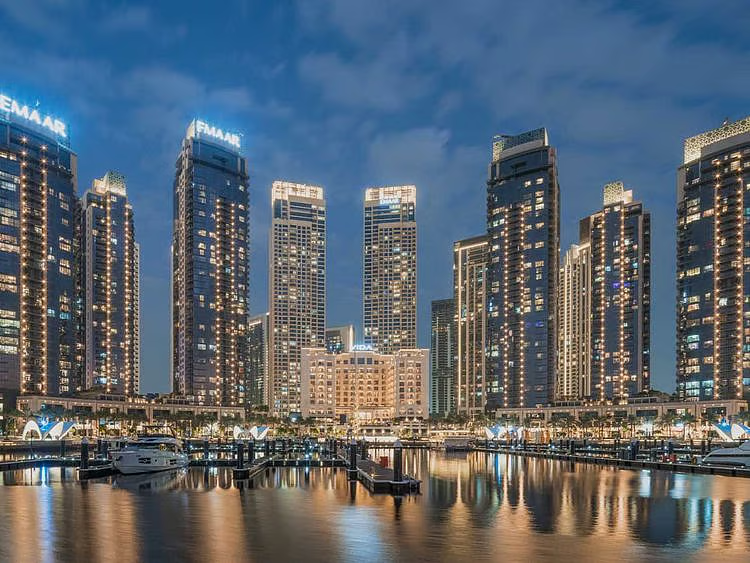
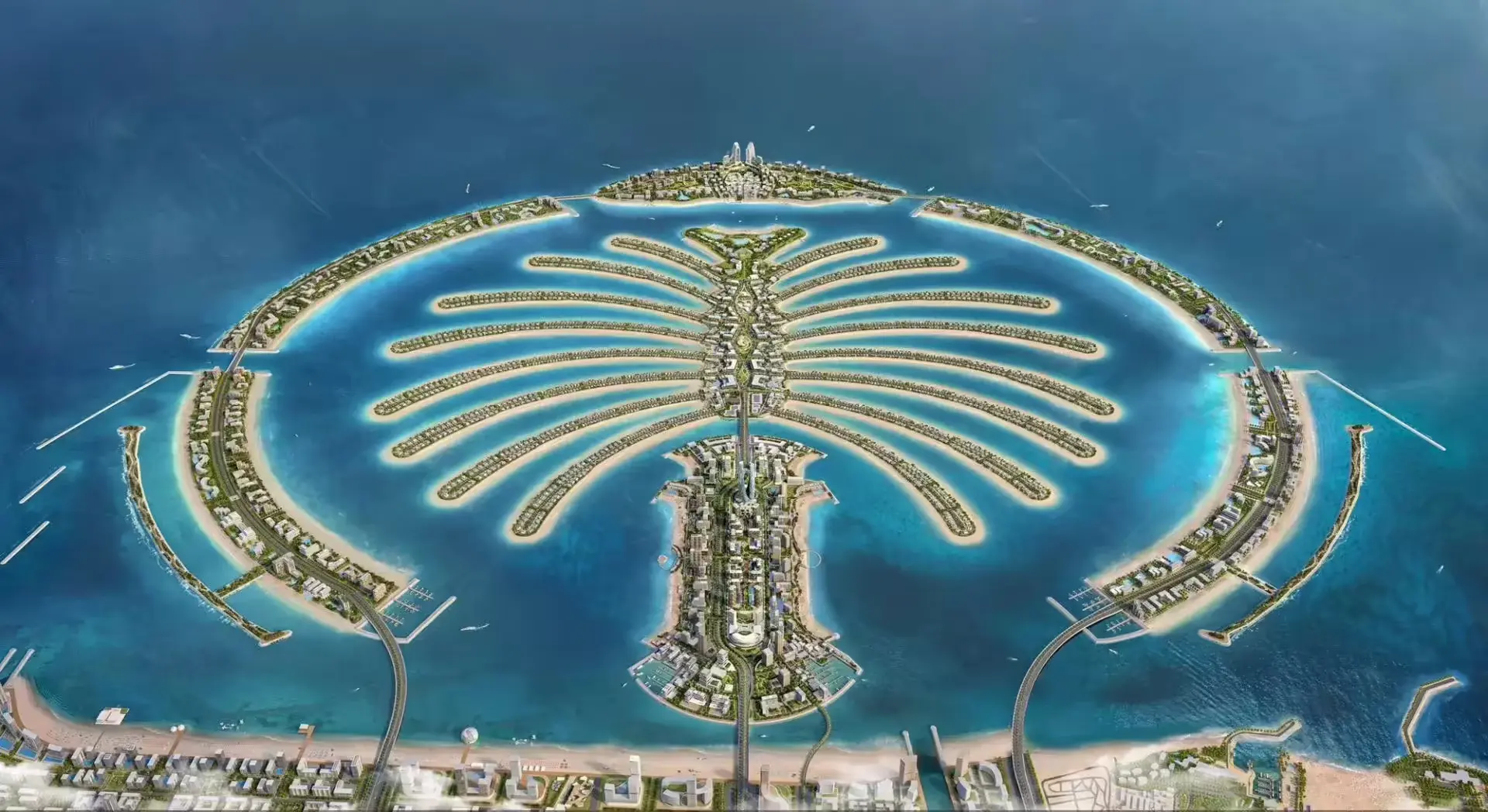
Prime resilient spots: Palm Jumeirah, Downtown, Dubai Marina for luxury; Dubai Hills, Arabian Ranches for families. Emerging: Dubai South, JVC with supply but value. Prioritise Tier-1 developers for off-plan, ready stock for income; diversify for long-haul amid no major downturn risks.

 English
  Türkçe
  فارسی
فارسی