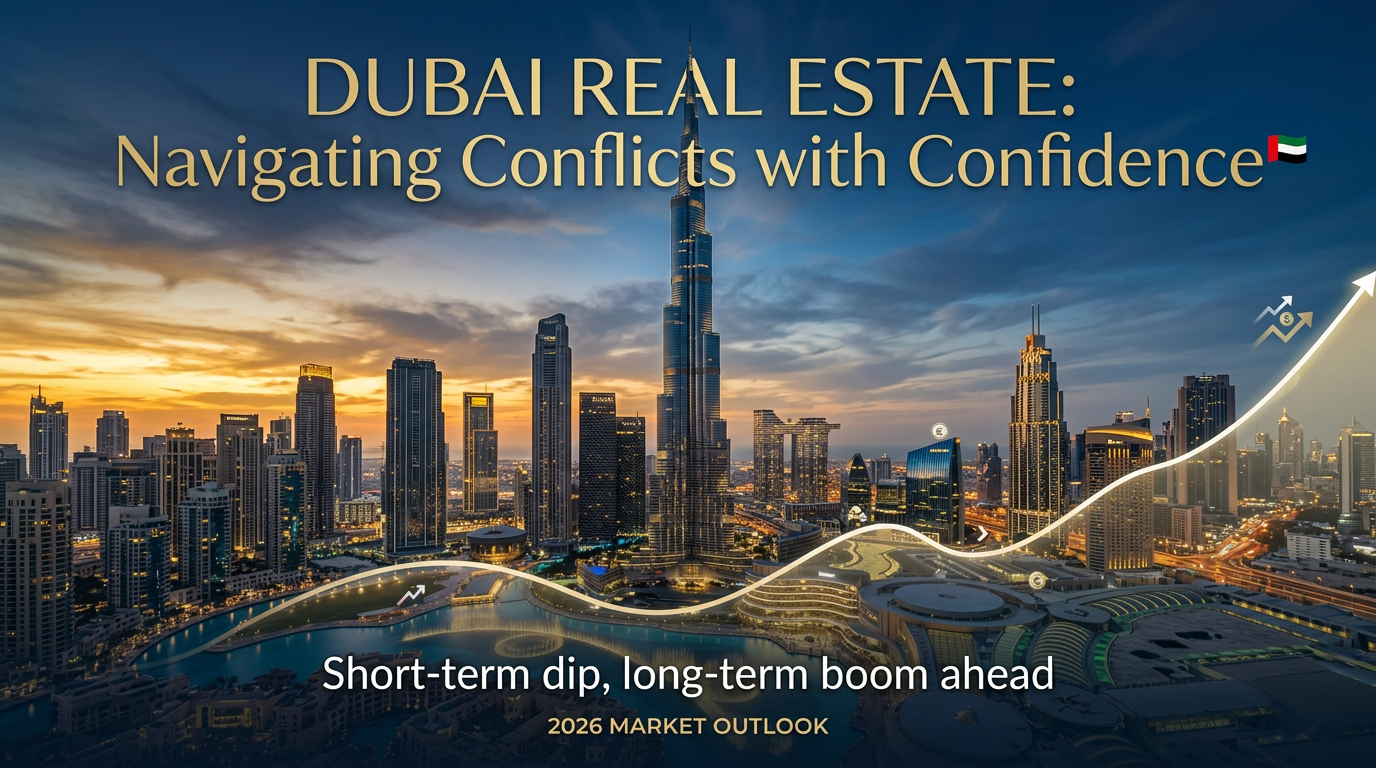
Impact of Regional Tensions on Dubai’s Property Market
Dubai’s real estate market is entering a period of heightened scrutiny as geopolitical tensions escalate in the Middle East following the US-Israel-Iran conflict that intensified in late February 2026. The situation included reported Iranian drone and missile strikes targeting strategic locations in the Gulf, including infrastructure near Abu Dhabi.
Despite these developments, Dubai’s property market entered 2026 from a position of exceptional strength. In 2025, total real estate transactions exceeded AED 680 billion, marking one of the strongest years in the emirate’s history. However, the evolving regional security environment is now testing investor sentiment and the sustainability of the recent market boom.
This analysis examines the short-term risks and the long-term investment outlook for Dubai real estate, particularly for international investors and high-net-worth individuals seeking stable global assets.
Short-Term Market Adjustment Likely
In the near term, the Dubai property market may experience a temporary slowdown in transaction activity as investors assess geopolitical risks across the region.
Periods of heightened uncertainty typically influence buyer behavior in several ways:
- Transaction volumes may moderate as investors delay large acquisitions.
- Mid-market buyers could become more price-sensitive and negotiate more aggressively.
- Developers may temporarily postpone new project launches until market sentiment stabilizes.
The market began 2026 with strong momentum, recording approximately AED 55 billion in property transactions in January alone, representing a 43.9% year-on-year increase. However, if regional tensions persist, inflationary pressures driven by higher energy prices and interest-rate adjustments could impact affordability, particularly within the mid-segment residential market.
While these dynamics may create a short-term pause, they do not necessarily indicate a structural downturn.
Long-Term Resilience of Dubai’s Property Market
Historically, Dubai has demonstrated strong resilience during periods of global or regional uncertainty. The emirate’s reputation as a safe-haven destination for capital often attracts investors seeking political stability, economic security, and international connectivity.
During previous geopolitical disruptions, Dubai frequently experienced:
- Increased relocation of high-net-worth individuals (HNWIs)
- Capital inflows from investors seeking asset protection
- Higher demand for luxury residential properties
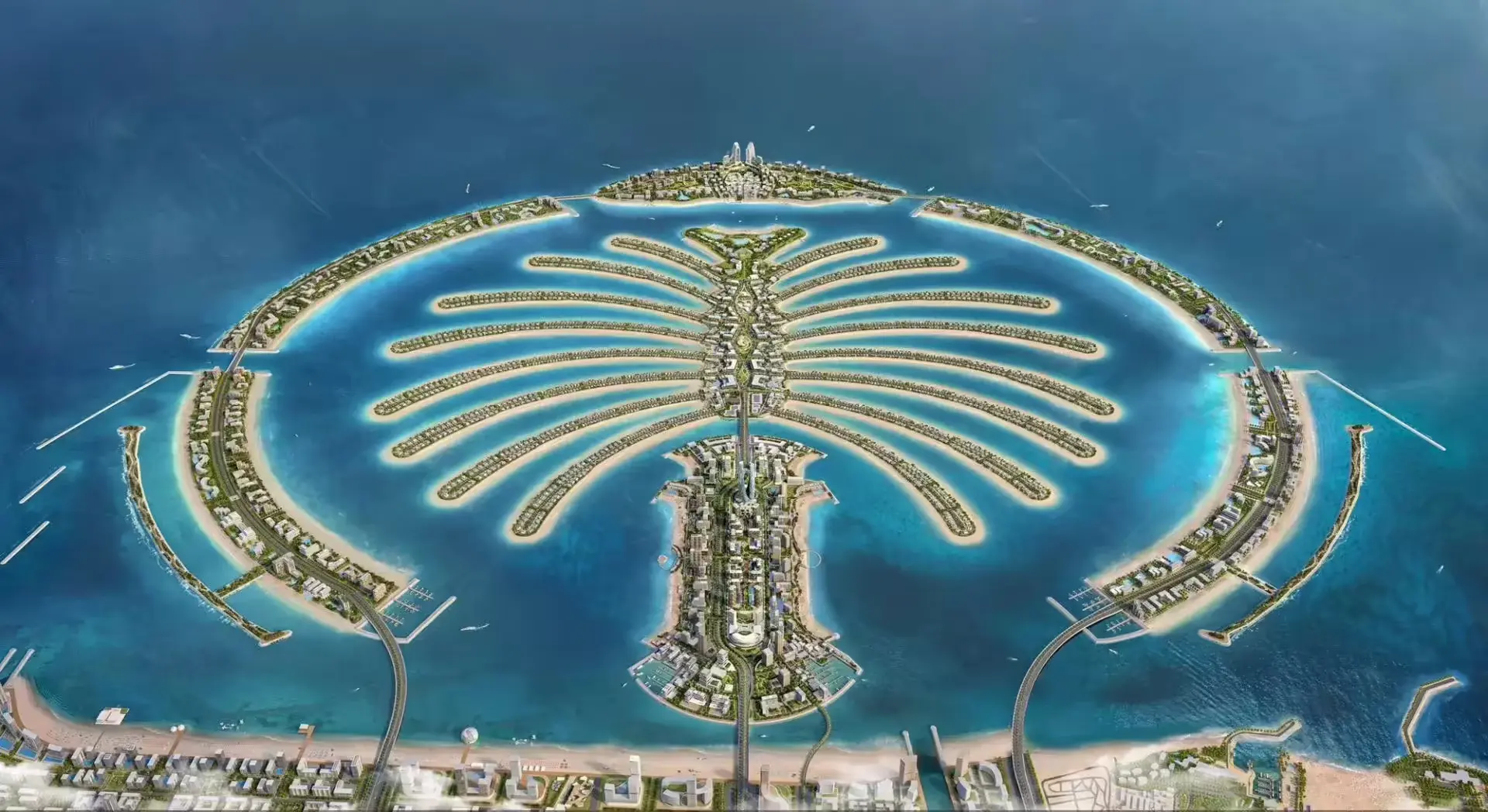
Premium areas such as Palm Jumeirah, Dubai Hills Estate, and waterfront communities have continued to attract international buyers, particularly in the off-plan luxury segment.
Even before the current conflict, market analysts anticipated a moderation phase around 2027 following several years of rapid price growth. The current geopolitical situation may actually reinforce long-term demand as investors increasingly prioritize stable jurisdictions.
Investor Behavior: Safety and Asset Protection
Global investment funds, family offices, and ultra-high-net-worth individuals typically prioritize jurisdictional stability and asset security during times of geopolitical uncertainty.
Dubai continues to maintain several structural advantages that strengthen its appeal:
- Zero annual property tax
- 100% foreign ownership in designated zones
- Long-term Golden Visa residency options
- Strong legal protections for international investors
In 2025, villas and luxury residences significantly outperformed apartments in terms of demand among wealthy investors. This trend is expected to continue as affluent buyers prioritize prime locations, privacy, and long-term capital preservation.
Additionally, the dominance of cash buyers in the luxury segment provides resilience against fluctuations in mortgage rates.
Infrastructure and Strategic Development Support Confidence
The UAE continues to invest heavily in infrastructure and urban development, reinforcing long-term confidence in its real estate sector.
Dubai and Abu Dhabi currently offer one of the most advanced urban ecosystems in the region, supported by world-class transportation networks, financial hubs, and smart city initiatives.
Major initiatives under the Dubai 2040 Urban Master Plan are expected to further strengthen the property market by creating new investment corridors and residential communities. Key developments include:
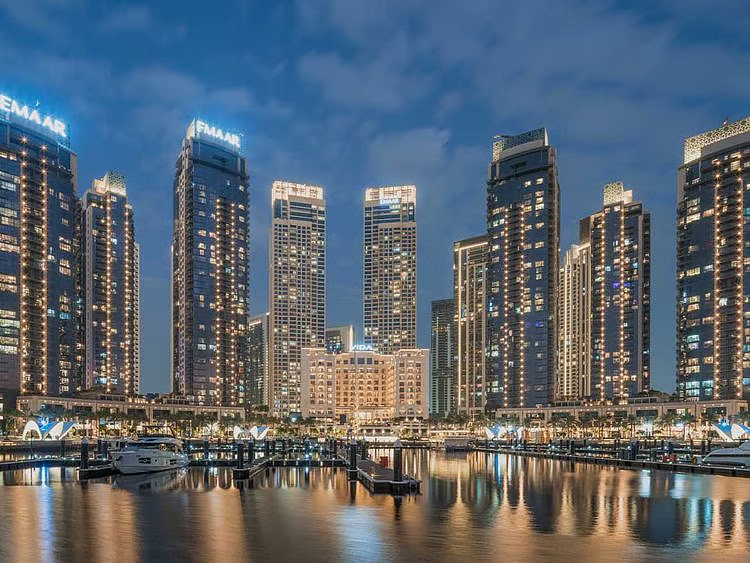
- Dubai Creek Harbour
- Large-scale waterfront districts
- Smart urban townships and mixed-use developments
These projects are expected to drive property value growth ranging between 22% and 35% in emerging districts, while also attracting international professionals, entrepreneurs, and technology talent.
Innovations such as real estate tokenization and blockchain-based property transactions are also positioning the UAE as a forward-thinking global investment hub.
Dubai Property Market Outlook Toward 2027
Before the current geopolitical developments, analysts expected Dubai’s property market to gradually stabilize around 2027 following the strong growth cycle of 2023–2026.
A significant supply pipeline is anticipated, with more than 70,000 residential units scheduled for delivery in the coming years. While this increased supply may test market absorption levels, several factors continue to support long-term demand:
- Strong population growth
- Continued inflow of foreign investors
- Expansion of residency programs such as the Golden Visa
- Dubai’s status as a global financial and lifestyle hub
Rental yields remain attractive compared to other global cities, averaging 5% to 9% depending on location and asset class, making Dubai one of the most competitive real estate investment destinations worldwide.
For investors, the current environment may create selective buying opportunities, particularly in prime locations and high-demand communities where long-term fundamentals remain strong.
FAQ
Is Dubai real estate affected by Middle East conflicts?
Short-term investor caution may temporarily slow transaction activity, but historically Dubai has benefited from capital inflows during geopolitical instability due to its safe-haven status.
Is Dubai property still a good investment in 2026?
Yes. Dubai continues to offer strong rental yields, tax advantages, and high demand from international investors, making it one of the most attractive global real estate markets.
What property types are most resilient in Dubai?
Luxury villas, waterfront residences, and prime-location apartments typically demonstrate the strongest resilience and capital appreciation.
What is the Dubai property market forecast for 2027?
Analysts expect gradual stabilization by 2027 as new supply enters the market, supported by population growth, investor demand, and government development initiatives.


 English
  Türkçe
  فارسی
فارسی